Research
Research

codes and conventions of documentaries
Different media texts have codes and conventions that define their genre and set up audience expectations.
Main genre codes and conventions are:
narrative → how the story is told
settings and iconography → mise-en-scene
visual codes → camera shots, angles and movements
audio codes → sound, dialogue, music, voiceover, foley
characters → age, appearance, personality
There are many typical codes & conventions of documentaries;
Archive footage
Diegetic and non-deiegtic sounds
Mise-en-scene
Narrative
Interviews
There are many typical codes & conventions of documentaries;
Archive footage
Diegetic and non-deiegtic sounds
Mise-en-scene
Narrative
Interviews
modes of documentaries
Modes are basic ways of organising texts (or in this case documentaries) in relation to certain recurrent features or conventions
Documentary film has six dominant modes:
➤ Poetic
➤ Expository
➤ Observational
➤ Reflexive
➤ Participatory/Interactive
➤ Performative
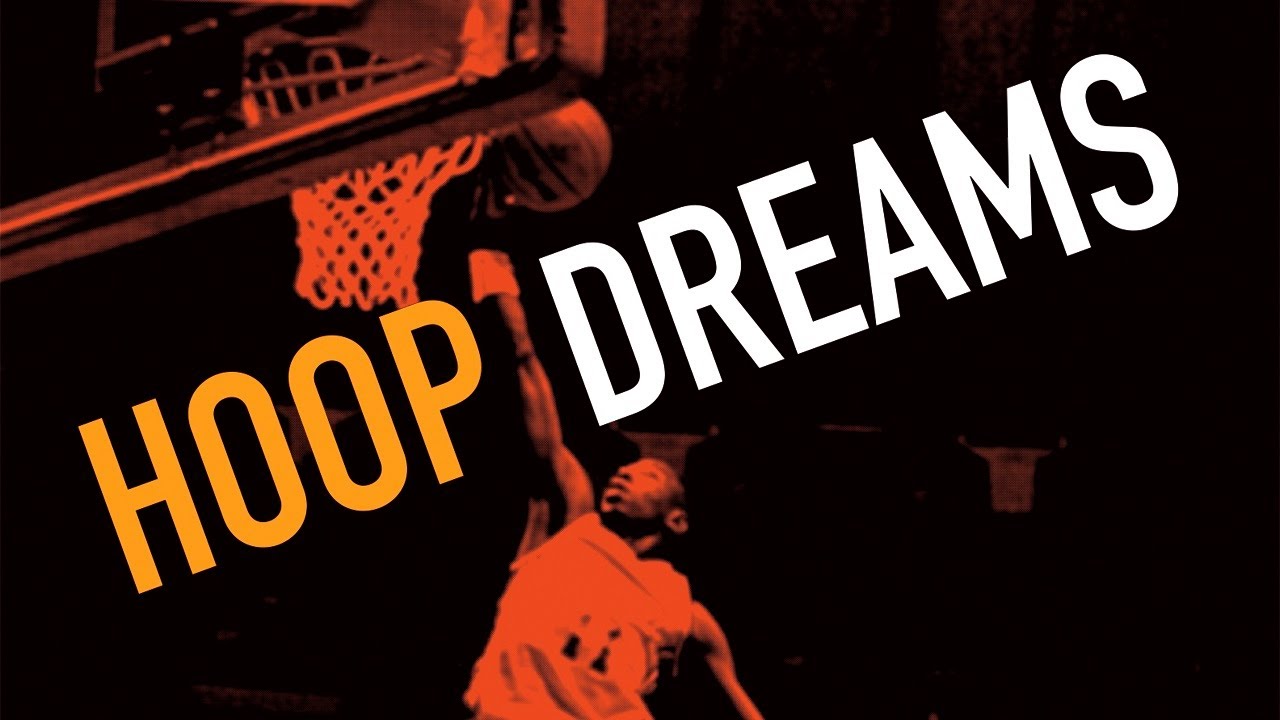
Poetic
Instead of using traditional line continuity to create story structure, the poetic documentary filmmaker arrived at its point by arranging footage in an order to evoke an audience association through tone, rhythm or spatial juxtaposition, unrelated shots are edited together. Its perceived as avant-grande because its innovate, experimental and pushes most boundaries.

Expository
Expository documentaries construct a specific argument or a point of view for the audience. Generally, the formula is a resonating authoritative voice that tells you something with corresponding footage proving that is indeed, true. For example, David Attenborough and Blue Planet, although focusing mainly on the ocean life it highlighted the pollution and the damage we are doing to out country.

Observational
The filmmaker observing truth by letting the camera capture its subjects uninterrupted. Its shot in a time frame (real time) does not include the document maker like expository does and interviews are not incorporated. The best of these documentaries have have shoot periods spanning over months and even years. This is the style of film that has truly given documentary its claim on 'reality' and 'authenticity' but ironically due to the lack of seeing the people who have crafted it, it could be much more highly refined and manipulated than is led on.
Reflexive
Reflexive documentaries are not so much about the relationship with the filmmaker and the subject, but rather the filmmaker and the audience. They show the viewer how the documentary is constructed ( in terms of editing and portrayal of the truth ) and the filmmaker is part of the documentary & provides narrative throughout. Nick Broomfield is best known for his reflexive documentaries - one of his most famous ones being 'Biggie and Tupac'.

Participatory / Interactive
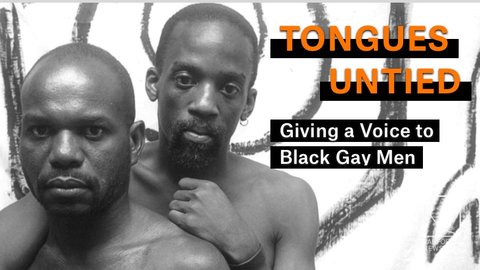
It is an inclusive and collaborative process that engages communities in designing and carrying out the collection of their own story. It invites the subjects to participate with the filmmaker - so you can always tell the 'presenter' is there and also shares their opinions. Participatory documentaries tend to use interviews as well. Supersize me is a great example of this style of documentary.

Performative
The perfomative documentary emphasises truth as relative, favouring a personal take over the objective lens. There is more room for creative freedom in terms of visual abstraction, narrative etc. As the filmmaker is visable to the viewers and are freely discussing their opinions on the subject they are filming about then they have the power to discuss their own opinion and views on things.
Interview Techniques
open questions
➤required to have more that ayes or no answer
➤starts with what, why, how & describe
➤'whats your ides of a perfect christmas?"
closed questions
➤when you want a limited response - yes/no
➤allows you to get facts
➤'do you like christmas?'
single question
➤question directly on one topic
➤involves you getting a different variety of opinions
➤use in vox pop - voice of people/popularity
➤"what is christmas?"
multiple questions
➤more than a single answer - 2in1
➤lots of information
➤'whats your favourite holiday tradition and why?'
direct questions
➤gets straight to the point of a situation
➤often hard hitting
➤'do you think the grinch stole all of christmas?'
leading questions
➤question that directs the interviewee into a topics
➤allows you to suggest / implement
➤'you mentioned you love christmas, do you think this year will be good?'
Documentary Number 1
Documentary Number 1
Biggie and Tupac
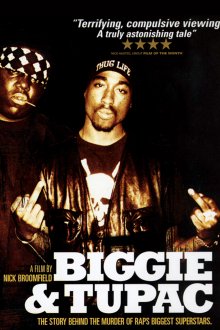
A documentary on two of the biggest rappers in the 90's by Nick Broomfield
There are many things about this documentary that I like and would love to incorporate into mine. Nick Broomfield has a different style of interviewing, he is very casual, informal and makes the interviewee feel at home - usually meaning they talk more due to them feeling comfortable. He is also very likeable, his timid personality and very shy way of coming across is comforting to watch and less false. Depending on what the topic of my documentary is, I would like to take his laid back style and incorporate it into mine. I feel that audiences prefer these types of documentary's because they can relate to both the interviewer and interviewee much more than a formal and up-tight setting, also because they feel almost closer to the people participating in it due to it being like a conversation and everyday life - making it much more normal.
I also enjoy the style of questions he asks, which I will definitely include in my project. As an interviewer, Broomfield doesn't 'beat around the bush' so to say, he tends to ask hard hitting, straight to the point style questions that usually take people by surprise. I feel that, by taking the interviewee by surprise, it makes them answer more truthfully as there is very little time to make up something on the spot, especially with someone shoving a microphone in your face! It also gives you more answers than a normal interview would give you, by asking straight up questions rather than generic, basic ones, it varies the answers and gives you more of an insight to whatever the subject is. It also shocks the audience and keeps them watching.
The use of archive footage and tapes throughout 'Biggie and Tupac' is also another thing I enjoy, it really gives you a feel for what their life was back then and gives you an insight into the luxuries they had. Again, this is an element the audience will love as they may have never seen as much behind the scenes as this before - making them feel special and like they know much more than others. Furthermore, it helps tell the story easier and is visually and aesthetically more pleasing than just a blank screen with a voice over screaming lots of information at you.
However, there are still many things in this particular documentary that I would leave out of mine, the fact that Broomfield is in nearly every minute of it is something I personally don't like. It almost takes the limelight off the people who are starring in it and the overall point of it, it becomes more a documentary on how he interviews and what hes doing rather than solely focusing on the rappers and their story. The genre for this is reflexive, no matter how much I enjoy watching these styles, it will not be something in my documentary.
Documentary Number 2

The rise of fentanyl : drug addiction on the I-95
A documentary on the upcoming use of fentanyl and the crisis about it in America, aired on BBC3.
The sheer hard hitting truth and reality of this documentary is a KEY thing I will be taking and including in my own. Its very eye openeing and sometime quite sad. It makes the viewer see addiction from the addicts view which is very important for me as many people see addicts as
The sheer hard hitting truth and reality of this documentary is a KEY thing I will be taking and including in my own. Its very eye openeing and sometime quite sad. It makes the viewer see addiction from the addicts view which is very important for me as many people see addicts as
"how can creative choices affect our perception?"
In this essay I will be talking about how creative choices can affect our perception. There are many aspects throughout the different forms of media that effect our perception, mise-en-scene, sound, narrative, music and macro & micro elements.
Firstly, mise-en-scene. This is the arrangement of the scenery, props, make-up, location and costumes on the stage of a theatrical production or on the set of a film. The use of this is a major part of the directors creative choices. For example, if you were to see a modern day IPhone on the set of Downton Abbey it would completely throw the audience off. This would be because the use of mise-en-scene is not in keeping with the time frame, and that therefore would affect the perception of it. Colouris also a key part of mise-en-scene and representation. In day to day life colouris very important because of the ideas that it suggests, it helps to create mood by suggesting ideas to its audience whether its noticeable or not. It works on the subconscious mind because people have an idea of what colours suit certain situations, while some people may be different the majority of colours are seen in the same light, for example – red connotes love and danger and blue connotes sadness and calm. Horror films such as ‘the hills run red’ contain huge amounts if red throughout, not only in the actual movie but also on the front cover of it and the promotion posters for it. This is because the audience will then perceive it as much scarier than if it had pink all over the poster. This was a creative choice made by someone to make the audience see it in a different light.
Another creative choice made is music and the video that usually goes with it. Typically, happy scenes such as marriage and people dancing tend to be matched with joyus songs, and the same for a sad scene. However, sometimes Directors will very cleverly juxtapose these two things to represent something in a different light. For example, Clockwork Orange and the ‘singing in the rain’ scene. Whilst a very violent act is being shown the perpetrators whistle to singing in the rain which is ironic due to the sing having happy and positive connotations and the act itself being very distressing. This is done to ultimately make the audience feel uncomfortable and never be able to listen to that song in the same way again. This therefore now will affect any member of the audience whenever they hear that particular song, meaning the movie is in their head forever. A cruel yet clever way of making a film memorable through creative choices.
Reflections
Personally, I feel as if the most interesting style of documentary is either expository or reflexive, this is because they both grip me as a viewer.
Both modes are different in many ways, for example, reflexive is more like a homemade film, slightly unprofessional and very informal whereas expository tends to be very professional, you will never see the filmmaker and normally always has a narrator.
Really good start Molly, you have clearly listed some the conventions of documentary, it would be great for you to define them and explain how they can communicate information to an audience. Your definitions of the modes are well explained, with example image to accompany. It would be idea to add examples of each mode, with explanation of why they are of the particular mode.
ReplyDeleteYour analysis of the Broomfield’s Biggie and Tupac examines his style and approach to documentaries. You have made connection between what he does and your own project. You have also added your own feeling towards how the documentary techniques are used. Overall this is really good, unfortunately your analysis of the BBC doc isn’t to the same standard. It appears to end after a couple of sentences, can you revisit this please.
To improve this I would like to see more evidence of how you are using research to support your documentary idea, for example looking into statics into drug crime to help with your interview questions.